PDF p. 286 · 7-16
- 1.Measure cylinder bores as shown (See Page 7-15). If the block is to be reused, hone the cylinders and remeasure the bores.
- 2.Hone cylinder bores with honing oil and a fine (400 grit) stone in a 60 degree cross-hatch pattern.
NOTE:
- Use only a rigid hone with 400 grit or fine stone such as Sunnen, Ammco, or equivalent.
- Do not use stones that are worn or broken.
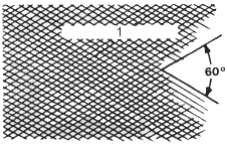
- 1. HONING PATTERN
- 3.
When honing is complete, thoroughly clean the engine block of all metal particles. Wash the cylinder bores with hot soapy water, then dry and oil immediately to prevent rusting.
NOTE: Never use solvents, they will only redistribute the grit on the cylinder walls.
- 4.
If scoring or scratches are still present in cylinder bores after honing to service limit, rebore the cylinder block.
NOTE: Some light vertical scoring and scratching is acceptable if it is not deep enough to catch your fingernail and does not run the full length of the bore.
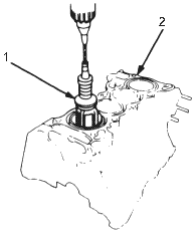
- 1. CYLINDER HONE
- 2. CYLINDER BLOCK
NOTE:
- After honing, clean the cylinder thoroughly with soapy water.
- Only a scored or scratched cylinder bore must be honed.
Piston Pins
Removal
NOTE:
- Use the piston pin assembly tool set (No. 07PAF-0010000) for removal of piston pins.
- Be sure to use the pilot collar of the correct No. as designated.
- 1.Set the special tools as shown.
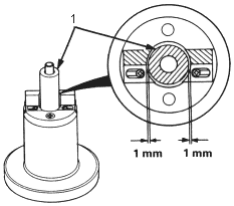
- 1. PILOT COLLAR, O.D. 19 mm, 07PAF-010650
- 2.Place the piston on the special tools and press the pin out using a hydraulic press.
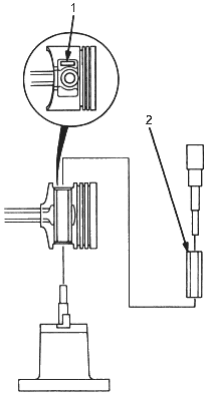
- 1. Embossed mark facing up.
- 2. PILOT COLLAR, O.D. 19 mm, 07PAF-0010650
NOTE: Use a hydraulic press. When pressing pin in or out, make sure that the recessed portion of the piston aligns with the lips on the collar.